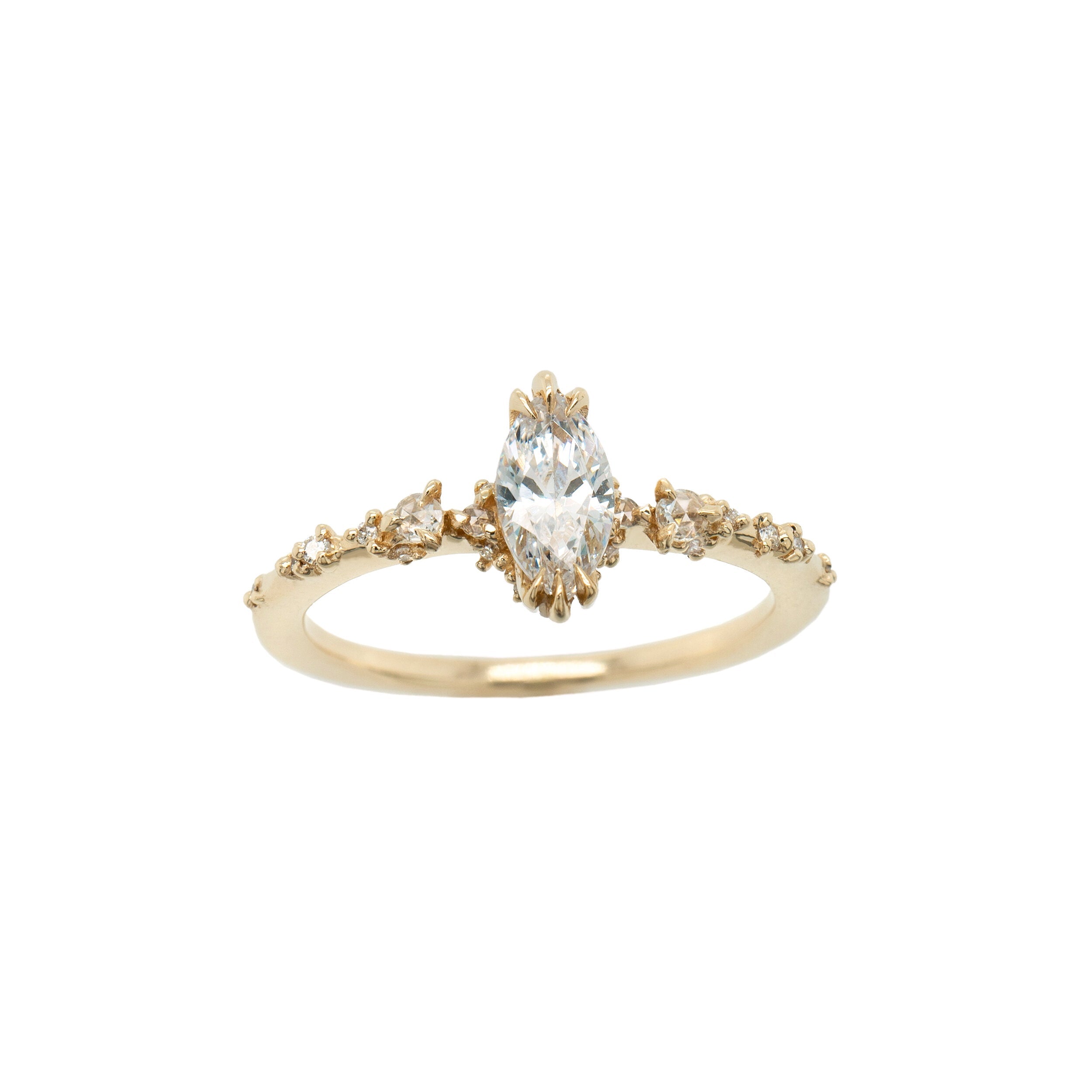

I’ve spent a good chunk of my career talking to everyday Australians about money — what stresses them, what surprises them, and what they wish they’d learned earlier. And if there’s one thing I keep coming back to, it’s this: most of us have more value sitting in our cupboards, jewellery boxes, and old family drawers than we realise.
I don’t mean sentimental value (though there’s plenty of that). I mean actual, real-world financial value — the kind that can get you out of a tight spot, cover an unexpected bill, or even help you start something new.
That’s how I first stumbled onto the idea of a loan against gold. Years ago, while interviewing small business owners in Fremantle, one café owner casually mentioned he’d secured a short-term cash boost by using a gold bangle he inherited from his grandmother. At the time, I remember thinking, “Wait… you can do that here?”
Turns out, you absolutely can. And more Aussies are doing it every year, especially now that gold prices are holding strong and people are becoming more open to alternative financial options that don’t involve the usual complexity of banks.
So if you’ve ever wondered how a loan against gold works, who it’s right for, or whether it’s a better move than selling your jewellery outright, let’s take a proper look.
Table of Contents
Why Gold Suddenly Matters Again
Gold has always had a special place in Australian culture. Some families still have nuggets or coins passed down from the days of the Gold Rush. Others keep jewellery that traces back through three or four generations. Even pieces bought during the 90s or 2000s — when gold was much cheaper — have become surprisingly valuable over time.
What’s interesting is how gold’s emotional value often overshadows its financial value. We’ll tuck away a bracelet “just in case,” or keep an old chain because it belonged to someone we love. But when life throws one of those curveballs — a medical bill, car repair, emergency flight — suddenly the idea of unlocking some value from that gold doesn’t seem so strange.
Especially when selling it isn’t the only option.
So… What Exactly Is a Loan Against Gold?
The simplest way to explain it is this: it’s a short-term loan where your gold is used as the security.
Unlike a personal loan, there’s no deep dive into your credit history, no interrogation of your spending habits, and no weeks-long approvals. Your gold is the guarantee, so the process is almost instant.
Here’s what typically happens:
- You bring in your gold (jewellery, coins, bars — most items are fine).
- A professional assesses the weight and purity.
- You’re offered a loan amount based on the value of the gold.
- If you’re happy with it, you sign the agreement.
- You walk out with cash — often within minutes.
- When you repay the loan, you collect your gold again.
That’s it. No stress, no judgment, no long-term commitment.
If you want a deeper overview, the team offering a loan against gold service in Perth has a great explanation of the process that’s easy to follow.
Why People Choose This Over a Bank Loan
Honestly, the rise in popularity makes sense.
1. It’s fast — like same-day fast
Banks are brilliant for certain things, but speed isn’t usually one of them. Between credit checks, paperwork, ID verification, and waiting for approvals, it can feel endless. A gold loan, on the other hand, is usually completed in the time it takes to order a takeaway coffee.
For people dealing with time-sensitive problems, that matters.
2. There’s no credit impact
No credit enquiry. No credit hit. No awkward explanations about why you need the money. That privacy appeals to a lot of people.
3. You keep ownership of your gold
This is a big one.
Selling gold can feel emotionally heavy, especially when it was a gift or part of your cultural heritage. A gold loan lets you keep what matters to you while still benefiting from its financial value.
4. You can repay early without penalty
Every shop differs slightly, but most don’t punish you for paying the loan off sooner. If you need cash for a few weeks or a couple of months, that flexibility is helpful.
5. It often ends up cheaper
Because the loan is secured by your gold, interest rates or fees may be more manageable than unsecured borrowing. People are often surprised by this.
The Emotional Side No One Talks About
I’ve spoken with dozens of people who have taken loans against gold, and the emotional layer is always present — even if they don’t admit it straight away.
There’s the grandmother who didn’t want to sell her bangles because they reminded her of home. The engaged couple who needed a short-term cash bridge to finalise their venue deposit. The young bloke who’d inherited gold coins but didn’t want to part with them permanently.
A loan lets them hold onto that history.
“Selling felt too final,” one woman told me. “But taking a loan gave me breathing room without losing something irreplaceable.”
I’ve always appreciated that honesty — it’s very human.
But Is It Safe? And What Happens to the Gold?
Good question — and honestly, one you should always ask.
Reputable businesses store gold in secure vaults or safes, with proper insurance and controlled access. They have strict procedures around cataloguing items and ensuring they’re returned in exactly the same condition.
Many customers are surprised by how professionally run these operations are. If anything, the standards are higher than what you’ll find at some retail jewellers.
Of course, as with anything involving valuables, it’s worth doing your homework. Look for:
- Established businesses with clear reputations
- Transparent fee structures
- Proper licencing
- A clean, secure physical location
If you walk in and something feels off, trust your instincts.
How Much Can You Borrow?
This depends on:
- the purity (karat)
- the weight
- current gold prices
Most people underestimate the value sitting in their jewellery drawer. A simple 18k bracelet that’s been gathering dust might be worth hundreds — sometimes more if gold prices are trending upward.
One of the quiet advantages is that even broken jewellery is often accepted, because the value comes from the metal, not the appearance.
Loan Against Gold vs Selling Gold — Which Is Better?
There’s no one-size-fits-all answer, but here’s the general rule of thumb I’ve gathered after years of speaking with jewellers and gold buyers (like the ones behind this quirky little article about fun facts: gold buyers):
You might prefer a loan if:
- you expect to be able to repay it
- the gold has sentimental or heirloom value
- you want to keep the item long-term
- you’d rather avoid credit checks or bank applications
Selling might suit you if:
- you no longer want the item
- it holds no emotional value
- you prefer cash with no repayment
- gold prices are high and you want to take advantage
I’ve seen people do both — sometimes even with different items at the same time.
A Few Myths Worth Clearing Up
“Only people in financial trouble use these services.”
Not true at all. I’ve met travellers using gold loans for temporary cash flow while waiting on overseas transfers, small business owners covering short-term expenses, and even investors using gold as a strategic funding tool. It’s not a desperation move — it’s a practical one.
“You’ll lose your gold if you’re a day late.”
Reputable lenders don’t want your gold; they want your business. Many are flexible if you communicate and arrange an extension.
“It’s embarrassing to go to a pawn shop.”
This is changing fast. Stores are more professional, more secure, and more private than people imagine. And honestly, the stigma is fading — much like how payday loans and buy-now-pay-later once felt taboo.
The Human Stories Behind Gold Loans
One thing that struck me while researching this article was how varied the stories were.
The FIFO worker
A bloke from Kalgoorlie used a gold loan to cover travel and accommodation for a sudden job interview. When the new role came through, he repaid the loan and got his gold watch back — the one his dad gave him. He told me he couldn’t imagine selling it outright.
The young mum
She’d tucked away a few gold bangles from her wedding. When her daughter needed emergency dental work (kids really know how to find trouble), those bangles bought her time. She repaid the loan after her tax return came in.
The small business owner
During a slow trading period, she used a gold loan to keep payroll stable. When her seasonal sales picked up, she cleared the loan in one go. She said it felt like “using her own resources to support the business,” instead of navigating bank bureaucracy.
These stories aren’t rare. They’re happening everywhere — Perth, Brisbane, Melbourne suburbs, regional towns where traditional financial options aren’t always accessible.
What Type of Gold Is Accepted?
You might be surprised by how broad the list is:
- Rings
- Chains
- Bangles
- Earrings
- Gold coins
- Gold bars
- Scrap gold (damaged, broken, mismatched)
- Antique pieces
The key is authenticity and purity. Most places test gold on the spot using industry-standard tools. The process is quick, transparent, and usually fascinating to watch.
Tips If You’re Considering a Loan Against Gold
Here’s the advice that kept coming up from both experts and customers:
1. Don’t polish or clean the jewellery before taking it in
It doesn’t affect the value. Weight and purity matter most. You could even damage delicate pieces by over-cleaning.
2. Check the market price of gold beforehand
Just a quick online check helps you understand whether you’re receiving a fair offer.
3. Bring ID
You’ll need it for compliance. No big deal, just don’t forget it.
4. Ask questions — lots of them
A good business will happily explain fees, storage, timelines, and options. If someone becomes defensive, that’s a red flag.
5. Keep your paperwork organised
Make a little reminder in your phone for repayment dates. Life gets busy.
Is This the Right Move for You?
Look, I’m not here to push anyone into anything. A loan against gold is simply one of those financial tools many Australians don’t realise is available — or assume is only for people in a bind.
The truth is, it can be incredibly practical. It can also be emotional. And sometimes it can be the difference between stress and breathing space.
If you’ve got gold that’s meaningful, and you’d rather not part with it forever, this option gives you flexibility. If you have pieces you don’t wear or don’t care deeply about, selling them might be the better path. And if you’re unsure, most places will happily appraise your gold with no obligation.
A Final Thought
Whenever I speak with people who’ve taken a loan against gold, the same sentiment comes up: “I didn’t know it was that simple.”
Maybe that’s the biggest takeaway.
Gold is one of the oldest forms of stored value in human history. It’s survived booms, recessions, wars, and economic cycles. Using it as a temporary financial tool isn’t weird or unusual — it’s something people have done for thousands of years.
If anything, we’re just rediscovering what previous generations already knew: gold isn’t just beautiful… it’s useful.