


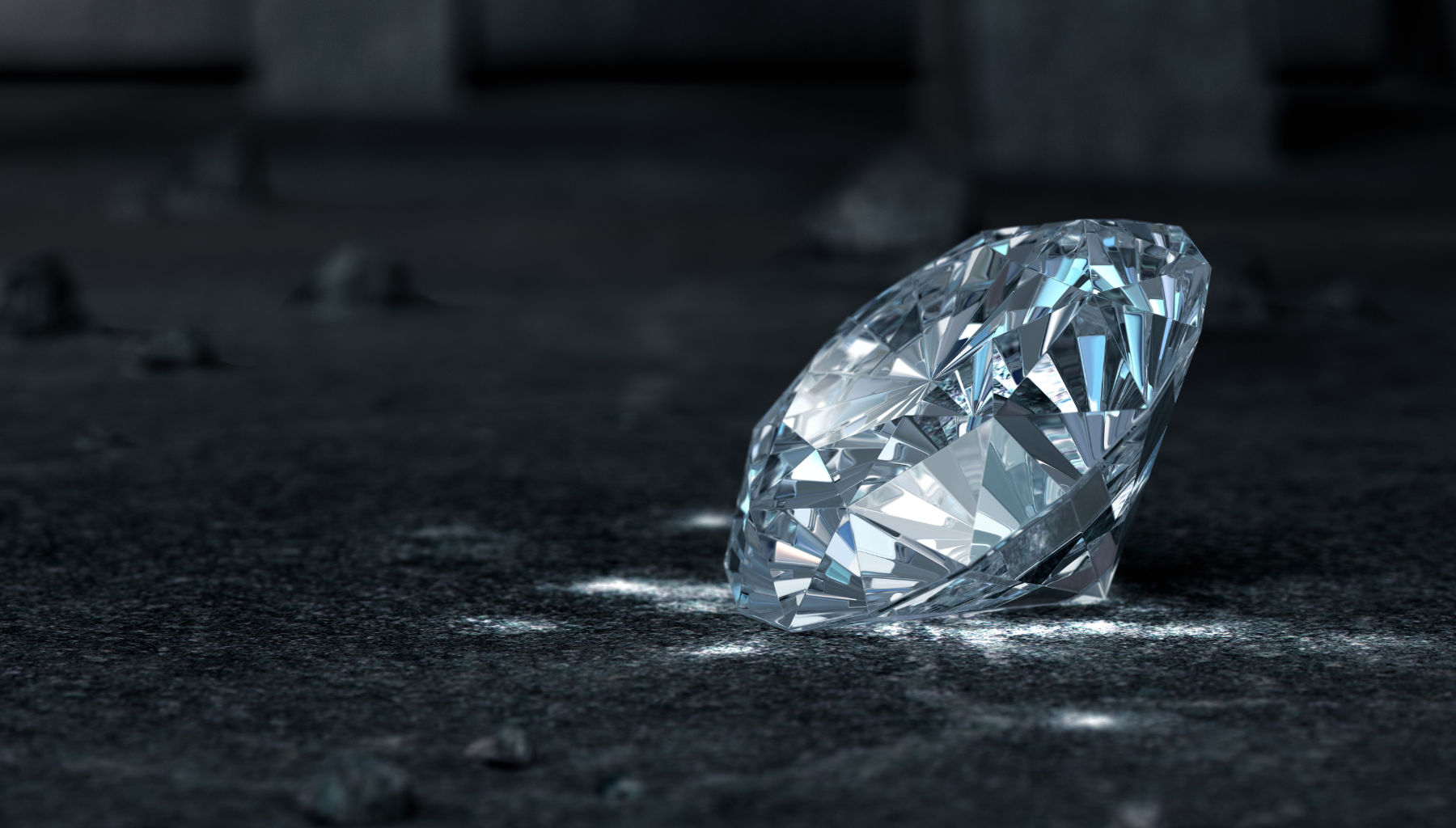
CVD vs HPHT, two fancy terms that sound like something out of a sci-fi movie but actually describe the process behind those sparkly gems. Whether you’re hunting for an engagement ring, a birthday gift, or just indulging yourself (hey, we won’t judge), understanding these methods can change the way you think about lab-grown diamonds entirely. Here’s the kicker: both processes create real diamonds. I mean, real carbon atoms arranged in that iconic crystalline structure. But the vibe, price, and sometimes even the color can vary. So, let’s break it down without getting lost in a chemistry textbook.
Table of Contents
A Quick Backstory: Diamonds Don’t Have to Be Mysterious
When was the last time a piece of jewellery actually told a story? Most people just see a sparkle and go “Wow!” But diamonds—especially lab-grown ones—have a modern story worth telling. CVD, or Chemical Vapor Deposition, is like a high-tech spa for diamonds. Scientists grow diamonds layer by layer in a controlled environment. It’s slow, precise, and kind of mesmerizing if you think about it. HPHT, or High Pressure High Temperature, is more like a pressure cooker—literally. Carbon gets squished and heated until it transforms into a diamond. Fast, intense, a little dramatic… you get the picture. Here’s my two cents: if you love the idea of science-meets-art, CVD might feel like it fits your style. HPHT? It’s classic, traditional, and a little “we mean business.”
Options, Trends, and Advice: How to Pick
Alright, here’s where it gets fun. lab grown diamonds aren’t just one-size-fits-all. Let’s break down your options:
- CVD Diamonds: Usually more consistent in color and clarity. Perfect for those Instagram-ready rings. Think clean lines, modern vibes. If you’re picky about perfection (admit it, we all are sometimes), CVD might win your heart.
- HPHT Diamonds: Can have richer, warmer tones. Sometimes the price point is slightly lower because the process is faster. Great if you’re into “old-school meets new tech” energy.
- Mix and Match: Some jewelers blend techniques to get the best of both worlds. Honestly, it’s like choosing your favorite chocolate chip cookie recipe—everyone has an opinion, but in the end, it’s about what makes you smile.
Pro tip: don’t just chase the sparkle. Look at the story, the process, and how each diamond actually makes you feel.
Lab-Grown Diamonds Are a Local Favorite
Here’s something you might not have thought about: where you buy matters. In places like Hong Kong, lab-grown diamonds are catching on fast. People love them for ethical reasons, price flexibility, and, let’s face it, the novelty factor.
Compare it to traditional mined diamonds—you’re paying for history, rarity, and sometimes a hefty markup. Lab-grown? You’re paying for tech, innovation, and a little bit of cool bragging rights. And locally, jewelers are getting creative: custom cuts, unique settings, even CVD vs HPHT comparisons right in the showroom. Walking in, you don’t just see a diamond—you see options, transparency, and a story that’s as modern as the city itself.
A Casual Step-by-Step
Okay, let’s demystify the process without turning this into a chemistry lecture:
- CVD Diamonds: Start with a tiny diamond “seed.” Place it in a vacuum chamber. Add carbon-rich gas. Heat. Layer by layer, boom—a diamond grows. Kinda like watching frosting pile up on a cupcake, but, you know… way more glamorous.
- HPHT Diamonds: Take carbon. Apply insane pressure and high heat (think Earth’s core but in a lab). Within days, carbon becomes diamond. Fast, intense, and a little dramatic—like a diamond’s version of a pressure test.
Either way, you polish it, cut it, and set it into jewelry that will catch eyes—and probably a few “how’d you get that?” comments.
Wrapping It Up
So, CVD vs HPHT… which is better? Honestly, neither. It’s all about what suits your style, your ethics, and your wallet. Lab-grown diamonds are more than just a trend—they’re a way to rethink how we value sparkle, science, and sustainability. At the end of the day, whether you’re exploring CVD vs HPHT or just browsing for a ring that feels right, lab-grown diamonds aren’t just about jewellery—they’re about telling your story, with a little help from some seriously smart science.