


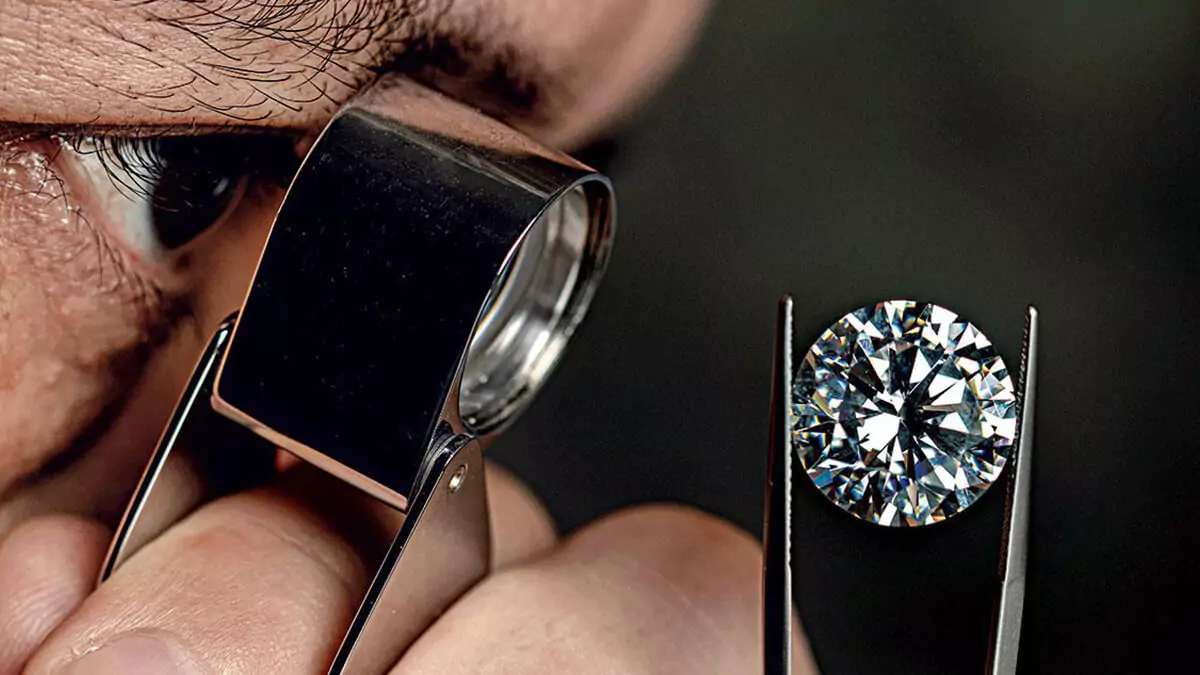
Ever caught yourself staring at a sparkling diamond and wondering, “Wait… how is this even made?” Yeah, you’re not alone. The world of diamonds has evolved—fast. Lab grown diamonds are no longer some sci-fi fantasy or gimmick. They’re real, brilliant, and honestly, kind of fascinating. But here’s the kicker: not all lab diamonds are created equal. That’s where the whole CVD vs HPHT debate comes in.Let’s break it down, without turning into a boring science lecture.
Table of Contents
The Sparkling Story Behind Lab Grown Diamonds
Think about it: when was the last time a piece of jewelry actually told a story? Diamonds have always been more than shiny rocks—they’re milestones, promises, and sometimes just plain indulgence. But traditional diamonds… well, let’s be honest—they come with a baggage. Mining them can harm the environment, sometimes even communities, and the price tag? Yikes.
Enter lab grown diamonds. They’re grown in a controlled environment, using technology rather than digging deep into the earth. And while that might sound a little “artificial,” these gems are chemically and physically the same as mined diamonds. Yes, that means if you drop one, it’ll behave just like the diamond your grandmother swore was “eternal.”
Now, here’s where it gets interesting: CVD vs HPHT. These are the two main methods for creating lab grown diamonds. You might think it’s just a fancy tech debate. But the truth? It can affect everything from the diamond’s look to its price.
CVD vs HPHT: What’s the Difference?
Alright, let’s nerd out for a second—but keep it light.
- CVD (Chemical Vapor Deposition)
Picture a tiny sci-fi lab. Scientists take a carbon-rich gas, heat it up, and deposit layers of carbon onto a small diamond seed. Layer by layer, your sparkling diamond grows. Cool, right? CVD diamonds tend to have fewer inclusions, which basically means they look clearer. And the shape? Often more consistent. - HPHT (High Pressure High Temperature)
Now imagine putting a tiny carbon piece under extreme pressure and heat—think planet-core levels. That’s HPHT. It mimics how natural diamonds form, just faster. HPHT diamonds can sometimes have unique colors, like a faint yellow or brown, which can actually be a pro if you’re hunting for something that feels different.
So, which is better? Honestly… it depends on what you want. Want a crystal-clear, super predictable diamond? Go CVD. Want something with a tiny twist of character or a natural vibe? HPHT might be your jam.
Lab Grown Diamonds: Trends and Tips
Here’s where things get fun. Lab grown diamonds aren’t just about saving money or the environment—they’re becoming a style statement. People are experimenting with shapes, sizes, and even colors that would cost a fortune if mined naturally.
Some quick thoughts:
- Mix and match: Don’t feel like your engagement ring has to follow the “one diamond, one look” rule. Lab diamonds make it easier to combine different styles.
- Be picky about certification: Even though lab grown diamonds are real, certification matters. Look for reputable labs like IGI or GIA—otherwise, you’re flying blind.
- Know your vibe: CVD vs HPHT isn’t just science—it’s aesthetic. CVD is often perfect for traditional sparkle. HPHT? Great for someone who likes their gem to tell a subtle story.
You might be surprised: some jewelers now allow you to see the diamond grow on a screen. Seriously. That’s modern magic.
Why the Local Angle Matters
If you live in a city with a strong jewelry scene—Hong Kong, New York, Mumbai—the lab grown diamond market is booming. But the reason local matters isn’t just about access; it’s about style.
Local jewelers often offer customization that’s impossible to replicate online. Want a ring that screams you, but still sustainable? Local shops can guide you. They can also explain the subtle differences between CVD vs HPHT, which—let’s be honest—is not something the average website does well.
And here’s a fun observation: in markets where tradition meets innovation, lab grown diamonds are becoming status symbols of smart choices. It’s like saying, “Yes, I want a diamond. But I also want to feel good about it.”
How Lab Grown Diamonds Are Made: The Casual Version
Let’s make this super simple. Imagine baking a cake. But instead of flour and sugar, you’re using carbon and a few science tricks.
- Seed it: Start with a tiny diamond seed. It’s the base of your future gem.
- Pick your method: CVD? You’re floating it in carbon gas. HPHT? You’re smushing it under extreme heat and pressure.
- Grow: Layer by layer, or under pressure, your diamond gets bigger. Patience matters.
- Polish: Like icing a cake, this step turns the rough crystal into a sparkling jewel.
- Check: Inspect for clarity, color, and perfection—or that little quirk you secretly love.
Casual tip: watching a CVD diamond grow is mesmerizing. Seriously, it’s oddly calming.
Final Thoughts
At the end of the day, choosing between CVD vs HPHT isn’t just about science—it’s about what you value. Clarity? Unique character? Budget? Environmental impact? Lab grown diamonds let you have all of that without compromise.Let’s face it: diamonds have always been about more than glitter. They’re about moments, choices, and stories. Lab grown diamonds? They’re just a modern twist on that timeless tradition. And honestly, isn’t that kind of exciting?Next time someone asks, “Is it real?” you can wink and say, “Yep. Real in every way that counts.”