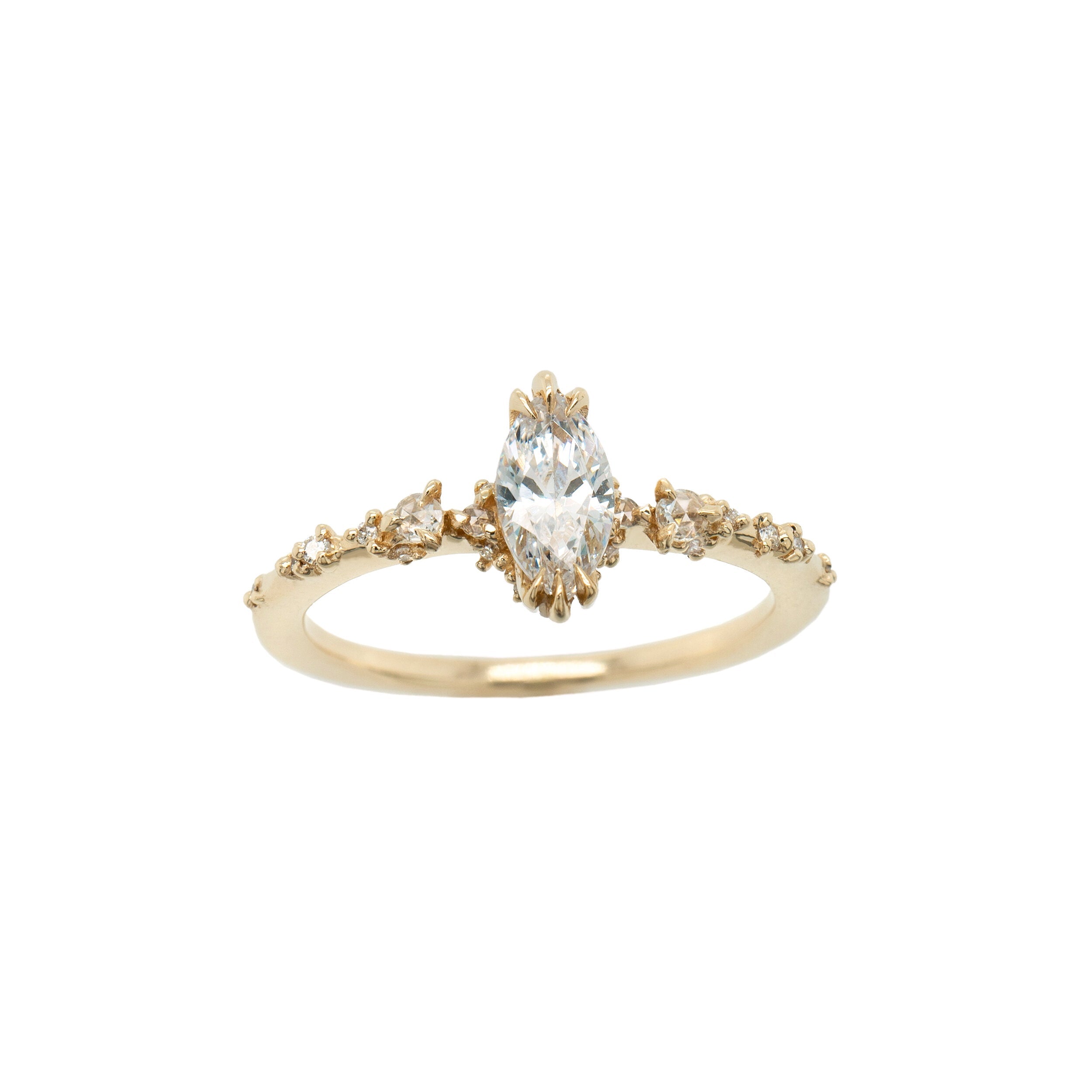

Buying a diamond involves more than choosing a beautiful stone. A grading report can help you understand what you are paying for before making a major purchase. Many shoppers comparing GIA o IGI want to know how these respected gemological organizations evaluate diamonds and what their reports actually mean.
Both laboratories examine important characteristics such as diamond origin and quality. However, their services, report formats, and approaches can differ depending on the type of diamond. Understanding those differences can make jewelry shopping easier and more informed.
Table of Contents
Why Independent Diamond Grading Matters
A diamond grading report provides an independent assessment of a stone’s measurable characteristics. It does not determine the retail price, but it gives buyers information they can use when comparing similar diamonds.
For natural diamonds, reports commonly include the four major quality factors: cut, color, clarity, and carat weight. Other information may include measurements, polish, symmetry, fluorescence, and identifying features.
GIA currently provides full 4Cs assessments for qualifying natural diamonds. Its reports may also include plotted clarity diagrams and other details depending on the service selected.
IGI also evaluates diamonds for cut, color, clarity, and carat weight. Its laboratory reports identify whether a diamond is natural, laboratory-grown, or a simulant.
These reports help shoppers compare stones using documented characteristics rather than relying only on store descriptions.
Understanding the Four Cs
Before comparing grading laboratories, buyers should understand the basic qualities each report examines.
Cut
Cut describes how effectively a diamond’s proportions and craftsmanship interact with light. A well-cut stone may show stronger brightness, fire, and sparkle.
Cut should not be confused with shape. Round, oval, pear, cushion, and emerald describe shapes, while cut quality relates to proportions and finishing.
Color
For traditional colorless diamonds, grading measures how much visible body color appears in the stone. Diamonds closer to the colorless end of the grading range often receive higher grades.
The best choice depends on the setting and budget. A slightly lower color grade can still appear bright, especially when paired with the right metal.
Clarity
Clarity evaluates internal features called inclusions and external features called blemishes. Their size, number, position, and visibility affect the grade.
Many inclusions are difficult to see without magnification. Because of this, shoppers should avoid assuming that the highest possible clarity grade always offers the best practical value.
Carat Weight
Carat measures weight rather than physical dimensions. Two diamonds with identical carat weights can look different in size because their proportions may differ.
That makes measurements and cut quality useful when comparing stones within the same weight range.
GIA o IGI: What Shoppers Should Compare
The best comparison is not based only on the laboratory name. Buyers should examine the actual report, the diamond type, and the information included.
GIA has long-established grading services for natural diamonds. Its natural diamond reports provide detailed quality assessments and identify important characteristics such as polish, symmetry, and fluorescence.
IGI provides reports for both loose diamonds and finished jewelry. Its services cover natural and laboratory-grown stones, making its reports common across different sections of the jewelry market. IGI states that it uses gemological testing to identify whether a stone is naturally mined, laboratory-grown, or a simulant.
Rather than choosing a stone based only on the letters printed on its certificate, compare the report details with the diamond itself.
How Laboratory-Grown Diamond Reports Differ
The certification landscape has changed as lab created diamonds have become more widely available. Buyers should pay close attention to the type and date of the grading report because different laboratories may describe these stones differently.
GIA currently uses a distinct system for qualifying colorless to near-colorless laboratory-grown diamonds. Its Laboratory-Grown Diamond Quality Assessment classifies eligible stones as Premium or Standard rather than presenting the same report format used for natural diamonds. GIA also laser inscribes qualifying stones with the term “Laboratory-Grown” and an assessment number.
IGI provides laboratory-grown diamond reports that document characteristics such as color, clarity, carat weight, and cut where applicable. Its reports may also identify the growth process or treatments in certain cases.
This difference makes it especially important to read the report itself instead of assuming that every laboratory uses the same format.
Check the Report Before Buying
A certificate should be treated as something to verify, not simply accept because a seller provides a printed copy.
Start by checking the report number through the laboratory’s official verification system. Confirm that the carat weight, measurements, shape, and other listed characteristics match the diamond being offered.
If the stone has a laser-inscribed report number, a jeweler may be able to show the inscription under magnification. The number should correspond with the accompanying report.
Buyers should also check whether the report covers the loose center stone or the complete jewelry item. Mounted diamonds can sometimes be more difficult to evaluate in the same detail as loose stones.
Look Beyond the Certificate
A grading report gives useful technical information, but it cannot tell you everything about how a diamond will look on your hand.
Compare stones in person or through clear, high-resolution videos whenever possible. Examine brightness, dark areas, visible inclusions, shape symmetry, and how the stone looks under different lighting.
For fancy shapes such as ovals, pears, and cushions, two diamonds with similar grades may have noticeably different visual appearances. Personal preference therefore remains an important part of the buying process.
The jewelry setting also matters. Prong style, metal color, band width, and stone proportions can change how large or bright a diamond appears.
Avoid Paying for Grades You Cannot Appreciate
Higher grades often cost more, but the difference may not always be obvious without magnification or controlled laboratory conditions.
For example, a diamond with modest clarity may appear completely clean to the unaided eye. A near-colorless diamond may also look white once mounted in certain settings.
Instead of automatically selecting the highest grades, decide which characteristics matter most to you. Someone who values sparkle may prioritize cut quality, while another buyer may prefer a larger stone within the same budget.
Using this approach can help you balance beauty, quality, and price.
Questions to Ask a Jeweler
Before purchasing, ask whether the diamond has an independent grading report and whether you can verify that report yourself. Confirm whether the diamond is natural or laboratory-grown.
Ask the seller to explain any treatments, inscriptions, fluorescence, or unusual comments listed on the report. A knowledgeable jeweler should be comfortable discussing these details clearly.
You should also understand the store’s return, exchange, resizing, and warranty policies. Certification describes the stone, while store policies determine what happens after the purchase.
Making a Confident Diamond Choice
Choosing between GIA o IGI should involve more than deciding which laboratory name sounds more familiar. Both organizations provide gemological reports designed to document important diamond characteristics, but the services and formats available can vary by diamond type.
Review the actual report, confirm its authenticity, and compare the documented grades with the stone’s visible appearance. For shoppers considering lab created diamonds, checking the current reporting format becomes especially useful because laboratory-grown grading practices continue to differ across organizations.
A certificate works best as one part of the buying process. Combine independent grading information with careful visual inspection, a realistic budget, and clear seller policies to choose jewelry that fits your priorities.